

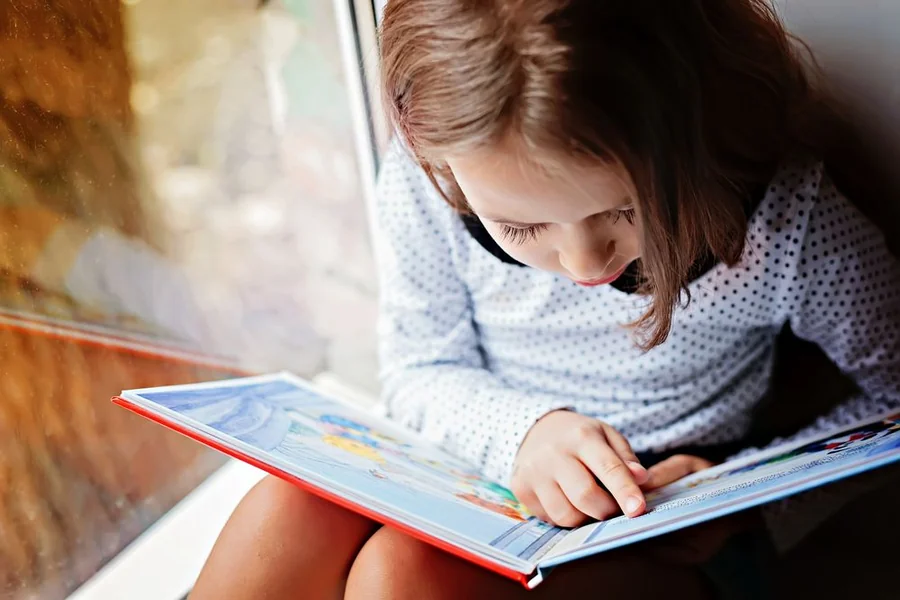
In the vast landscape of children’s literature, Western stories have long captured young imaginations with tales of adventure, courage, and frontier spirit.
Traditionally dominated by male protagonists, the genre is experiencing a welcome transformation as authors increasingly recognize the importance of creating empowering female characters who can inspire readers of all genders.
This shift not only provides young girls with relatable heroes but also enriches the genre with diverse perspectives and untold stories from America’s frontier past.
The Power of Names in Shaping Western Heroines
A character’s name carries significant weight in establishing her identity and place in the story world. When developing female Western characters, thoughtful naming becomes an essential part of character development.
Historical accuracy combined with memorable qualities helps create cowgirls who resonate with young readers.
For authors seeking authentic inspiration, this post on NameCraftHQ about cowgirl names provides extensive options rooted in Western tradition that can help shape compelling female protagonists.
Names like “Calamity” Jane or “Stagecoach” Mary reflect the Western tradition of monikers earned through reputation, while period-appropriate names such as Adelaide or Josephine might suit characters from established families.
The right name can instantly communicate a character’s background, personality, and even hint at her future role in the narrative.
Why Representation Matters in Western Children’s Literature
Children’s literature serves as more than entertainment—it shapes how young readers view themselves and the world around them.
When children encounter characters who look like them and share their experiences, they develop stronger self-esteem and broader aspirations.
For girls interested in Western themes, seeing female characters who demonstrate agency, resilience, and leadership provides powerful models for their own development.
Research consistently shows that the characters children encounter in stories influence their perception of gender roles and possibilities.
When Western stories feature girls and women only as supporting characters—sisters, mothers, or damsels in distress—they implicitly suggest limitations on female potential.
Conversely, stories with dynamic cowgirls, ranch owners, explorers, and frontier scientists expand children’s understanding of what’s possible.
Historical Foundations: Real Women of the West
Creating authentic female characters in Western children’s stories begins with acknowledging the real women who shaped frontier history.
Despite being overlooked in many historical accounts, women played crucial roles in Western expansion and development:
Pioneering Spirits
Women like Esther Morris, who became the first female Justice of the Peace in the United States, and Mary Fields (nicknamed “Stagecoach Mary”).
Who was the first African American female star route mail carrier, demonstrated remarkable courage and determination.
Their stories provide rich inspiration for children’s literature characters who break barriers and defy expectations.
Ranchers and Homesteaders
Women didn’t just accompany men to the frontier—many operated successful ranches and homesteads independently.
Cattle rancher Margaret Borland drove her own herds up the Chisholm Trail, while homesteader Elinore Pruitt Stewart wrote about her experiences claiming land independently under the Homestead Act.
These women’s stories counter the misconception that frontier life was exclusively male territory.
Indigenous Perspectives
Native American women like Sarah Winnemucca, who served as an interpreter and advocate for the Northern Paiute people, bring essential perspectives to Western narratives.
Including indigenous female characters with authentic cultural contexts enriches children’s understanding of the complex history of the American West.
Crafting Multidimensional Cowgirl Characters
Creating empowering female characters in Western children’s stories requires moving beyond simply placing girls in traditionally male roles.
The most compelling characters combine strength with vulnerability, independence with community connection, and determination with emotional depth.
Beyond Physical Strength
While physical capabilities were certainly important on the frontier, empowering female characters should demonstrate diverse forms of strength:
- Problem-solving intelligence: Characters who use creativity and critical thinking to overcome obstacles
- Emotional resilience: The ability to face setbacks and continue forward
- Moral courage: Standing up for what’s right, even when it’s difficult
- Leadership skills: Inspiring and organizing others toward common goals
Authentic Motivations
The most engaging characters have clear, relatable motivations driving their actions. For female Western characters, these might include:
- Protecting family and community
- Seeking independence and self-sufficiency
- Pursuing education or specialized knowledge
- Exploring unknown territories
- Advocating for justice or social change
- Preserving cultural traditions while adapting to new circumstances
Character Development Arcs
Static characters who begin and end a story with the same capabilities and outlook offer limited inspiration.
Empowering female characters should grow through their experiences, developing new skills, perspectives, and self-understanding.
This growth provides valuable models for young readers navigating their own challenges.
Age-Appropriate Empowerment for Different Reading Levels
Creating empowering female characters requires different approaches across various age groups and reading levels:
Picture Books (Ages 3-7)
For the youngest readers, empowering female characters often demonstrate:
- Basic problem-solving
- Kindness and empathy alongside adventure
- Growing independence
- Early leadership in family or small group settings
- Connection to animals and nature
Excellent examples include “Cowgirl Kate and Cocoa” by Erica Silverman, where the young protagonist demonstrates capability and compassion in caring for her horse and ranch responsibilities.
Early Chapter Books (Ages 6-9)
As reading skills develop, characters can face more complex challenges:
- Standing up to peer pressure or unfair treatment
- Developing specialized skills (riding, roping, tracking)
- Taking responsibility for meaningful tasks
- Building friendships across differences
- Beginning to understand historical contexts
Series like “Wildflower Girls” by Annette Pimentel feature young heroines who demonstrate practical frontier skills while navigating social dynamics and personal growth.
Middle Grade Fiction (Ages 8-12)
Middle-grade readers connect with characters experiencing:
- Questioning societal limitations based on gender
- Navigating more complex moral dilemmas
- Developing deeper understanding of historical contexts
- Growing awareness of social justice issues
- Increasing agency in determining their own paths
Novels like “May B.” by Caroline Starr Rose or “Hattie Big Sky” by Kirby Larson present nuanced female protagonists facing substantial challenges with determination and growth.
Young Adult Western Fiction (Ages 12+)
For older readers, female characters can engage with:
- Direct confrontation of sexism and other forms of discrimination
- Complex identity development
- Romantic relationships built on equality and respect
- Leadership in community and political contexts
- Deeper historical understanding including recognition of injustice
Books like “Vengeance Road” by Erin Bowman feature young women navigating dangerous circumstances while developing their own moral compasses and sense of purpose.
Balancing Historical Accuracy and Modern Sensibilities
One challenge in creating empowering female Western characters for children lies in balancing historical realities with contemporary values.
While it’s important to acknowledge the genuine limitations women faced in frontier societies, children’s stories that focus exclusively on these constraints can reinforce rather than challenge gender stereotypes.
Thoughtful approaches to this challenge include:
Historical Context with Agency
Rather than ignoring historical realities, skilled authors acknowledge them while showing characters working within or against these constraints.
A young female character might face skepticism about her ability to run a ranch, for example, but demonstrate her capabilities through action rather than being defined by others’ doubts.
Historically Authentic Opportunities
Research reveals many instances where women did exercise significant freedom and authority on the frontier, often in ways unavailable to their Eastern counterparts.
Focusing stories on these historical opportunities—homesteading, certain professions, frontier businesses—provides both accuracy and empowerment.
Diverse Supporting Characters
Including adult female mentors and historical figures provides context for young protagonists’ aspirations.
When a girl dreams of becoming a doctor, for example, mentioning Dr. Elizabeth Blackwell or Dr. Susan La Flesche Picotte (the first Native American physician) grounds her ambition in historical possibility.
Intersectionality: Beyond Gender
Truly empowering female characters in Western children’s literature acknowledge the diverse experiences of women based not only on gender but also on race, ethnicity, class, and other factors. The Western frontier included:
- Native American girls and women from dozens of distinct cultures
- African American women, including former slaves establishing new lives
- Mexican American women, especially in territories previously part of Mexico
- Immigrants from various European countries, each bringing unique cultural perspectives
- Asian American women, particularly in Western states and territories
These intersecting identities create opportunities for rich, nuanced characters whose experiences reflect the true diversity of Western history while providing windows and mirrors for today’s diverse young readers.
Practical Writing Strategies for Authors
For writers creating empowering female characters in children’s Western stories, several practical approaches can strengthen characterization:
Research Beyond the Stereotypes
Dig into primary sources, women’s diaries, letters, and accounts from the period rather than relying on Hollywood versions of the West.
Museums specializing in Western history often have educational resources highlighting women’s experiences.
Avoid the “Exceptional Woman” Trope
While it’s tempting to create a single extraordinary female character who stands apart from all other women, this approach implicitly suggests that most women conform to limited roles.
Instead, create worlds where multiple female characters demonstrate different strengths and approaches to frontier challenges.
Show Community and Collaboration
The Western myth often celebrates the lone hero, but historical reality included tight-knit communities where cooperation was essential for survival.
Showing female characters within supportive networks reflects historical accuracy while demonstrating different forms of strength.
Balance “Trail” and “Home”
Traditional Western stories often separate adventure (male domain) from domesticity (female domain).
Empowering stories recognize both the adventures of the trail and the challenges of creating home as valuable and requiring courage, intelligence, and determination.
Conclusion: The Expanding Horizon
As we continue expanding the perspectives represented in children’s Western literature, we enrich the genre while providing all children with more complete understanding of America’s frontier history.
Empowering female characters in these stories don’t just inspire girls—they help all children envision a world where courage, determination, and leadership are human qualities rather than gendered ones.
The dusty trails, wide prairies, and frontier towns of Western children’s literature have room for countless untold stories.
By populating these landscapes with complex, capable female characters, authors create not just entertainment but also windows into both historical truth and future possibility—expanding horizons for young readers as vast as the Western sky itself.
