

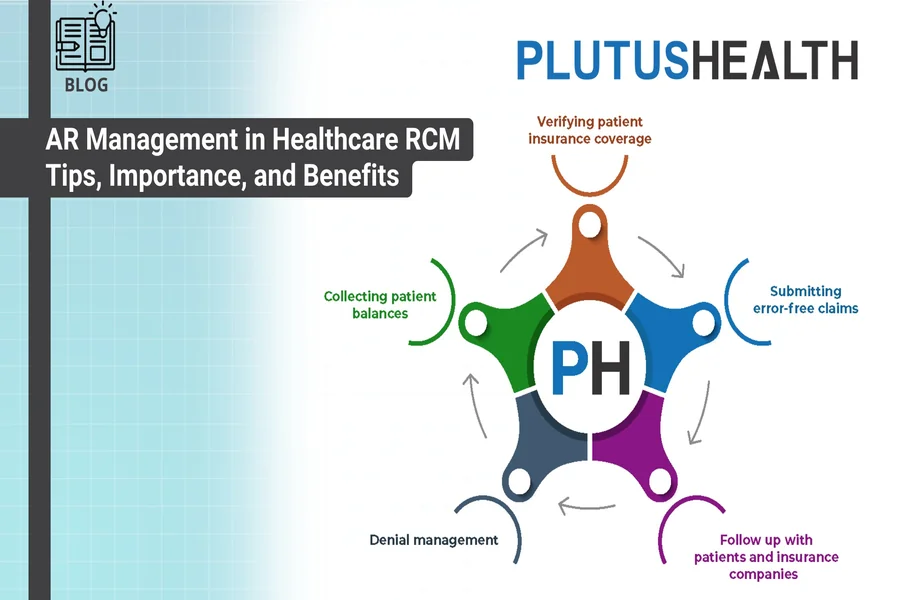
In the healthcare world, everything begins and ends with patient care. But right beneath the surface of every diagnosis, procedure, and follow-up visit is a complex financial ecosystem that keeps the system running. At the heart of this system is the RCM service center—a vital operational hub that ensures the financial health of medical practices, clinics, and hospitals alike.
RCM stands for Revenue Cycle Management, and it encompasses all the administrative and financial processes involved in tracking a patient’s journey—from initial appointment scheduling to the final payment. While it’s easy to overlook the role of backend operations in patient care, the truth is that without a reliable RCM service center, the entire structure can fall apart.
What Is an RCM Service Center?
An RCM service center is essentially the command center for a healthcare organization’s financial operations. It handles every step of the revenue cycle, including:
- Patient registration and insurance verification
- Medical coding and charge entry
- Claims submission and tracking
- Denial management and appeals
- Payment posting and patient billing
- Financial reporting and analytics
Whether managed in-house or outsourced, the service center ensures all services rendered are appropriately documented, billed, and reimbursed. It helps healthcare organizations maintain cash flow, reduce errors, and remain compliant with ever-changing regulations.
Think of it as the brain of the billing process—constantly processing data, making corrections, and optimizing systems to keep things running smoothly.
Why Healthcare Organizations Rely on RCM Service Centers
The benefits of a centralized revenue cycle operation aren’t just administrative—they’re strategic. Here’s why RCM service centers have become a must-have for healthcare providers of all sizes:
1. Improved Financial Stability
An RCM service center monitors revenue at every stage. It ensures that billing is accurate, claims are submitted on time, and reimbursements are received without delay. This directly improves cash flow and minimizes lost revenue.
2. Reduction in Claim Denials
Many claim denials are preventable. Missing codes, documentation errors, and incorrect patient data can all be caught before submission. A strong RCM service center reviews each claim for accuracy and fixes issues early—leading to higher acceptance rates and fewer resubmissions.
3. Streamlined Operations
With all revenue-related tasks handled in one place, there’s less duplication of effort, fewer communication breakdowns, and faster resolution of billing issues. Centralization also allows for consistent training, oversight, and policy enforcement.
4. Better Patient Experience
No one enjoys dealing with confusing bills or being blindsided by unexpected charges. An efficient RCM service center ensures that billing is clear, accurate, and timely—making it easier for patients to understand what they owe and why.
5. Data-Driven Decisions
RCM service centers collect and analyze data from every stage of the billing process. This data can be used to identify trends, forecast revenue, measure provider productivity, and make informed business decisions.
The Human Side of the RCM Service Center
It’s easy to assume that RCM service centers are purely about numbers, forms, and compliance—but at their core, they are about people. Every bill submitted represents care delivered to a real person, and every reimbursement supports the sustainability of that care.
Moreover, RCM teams—whether internal staff or external partners—must be trained not only in technical processes but in empathy, communication, and responsiveness. Their work impacts everything from how quickly a provider gets paid to how satisfied a patient feels about their experience.
Challenges That RCM Service Centers Solve
Without a centralized RCM approach, healthcare organizations often face a number of avoidable issues:
- Delayed payments due to coding or billing errors
- High denial rates from incomplete claims
- Inaccurate reporting that obscures financial problems
- Staff burnout from juggling multiple disconnected systems
- Patient dissatisfaction from unclear or late billing communications
An RCM service center acts as a preventative measure against these challenges, using structure and expertise to create a smoother experience for everyone involved.
RCM Service Centers in the Era of Telehealth and Expansion
The healthcare landscape is changing rapidly. With the rise of telehealth, mobile practices, and multi-location systems, centralized financial management is more critical than ever. RCM service centers are uniquely positioned to scale with these changes, providing standardized processes and visibility across locations, specialties, and patient types.
Whether a provider is operating in a small clinic or a regional network, a robust service center model ensures consistency and reliability in revenue capture—even as care delivery evolves.
Building or Choosing the Right RCM Service Center
Not all RCM service centers are created equal. To be effective, a center should offer:
- Expertise in current coding and billing regulations
- Scalable systems that adapt to growth
- Integration with electronic health record (EHR) systems
- Transparent reporting and performance metrics
- Support for both provider and patient inquiries
Whether managed internally or through a trusted partner, the right RCM service center aligns with an organization’s goals and acts as a true extension of the care team.
Final Thoughts
Behind every prescription written, scan ordered, or surgery performed is a chain of administrative tasks that ensure the care provided is compensated and sustainable. The RCM service center is the engine that powers this system, helping healthcare organizations stay financially viable while focusing on what they do best—healing people.
It’s not just about collecting payments. It’s about building a system that works behind the scenes to support the entire care journey, from the first phone call to the final zero balance. In a healthcare environment that demands speed, accuracy, and compassion, the RCM service center quietly holds it all together.
