

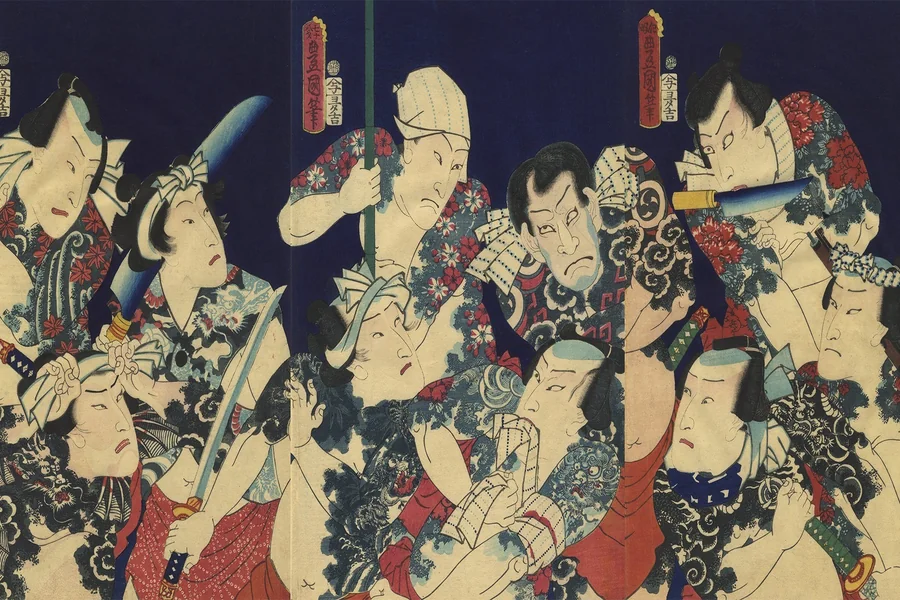
Japanese tattooing, also known as irezumi, has a long and intricate history, deeply intertwined with cultural, artistic, and spiritual traditions. One of the most profound influences on this art form is ukiyo-e, the iconic woodblock print style that flourished in Japan from the 17th to 19th centuries. Today, the artistry and symbolism of these prints continue to inspire tattoo designs, with modern interpretations carried forward by talented professionals such as Good Marks Japanese tattoo artists.
A Brief History of Ukiyo-e
Ukiyo-e, which translates to “pictures of the floating world,” captured scenes of everyday life, landscapes, kabuki theatre actors, and legendary figures. Artists such as Katsushika Hokusai and Utagawa Kuniyoshi became celebrated for their dynamic compositions, vivid use of colour, and attention to detail. These works were not only admired for their aesthetic beauty but also for their storytelling, often depicting folklore, mythology, and heroic tales.
From Print to Skin: The Connection with Tattooing
The link between ukiyo-e and Japanese tattooing became particularly strong during the Edo period, when vibrant imagery from woodblock prints inspired tattoo artists. Bold lines, flowing forms, and dramatic contrasts translated perfectly into tattoo designs.
– Dramatic storytelling: Just as ukiyo-e prints often depicted heroes, demons, and spiritual figures, tattoos began to mirror these themes, allowing wearers to carry personal stories and symbols on their skin.
– Composition and flow: The large-scale body suits and sleeves common in Japanese tattooing echo the sweeping, full-frame compositions seen in ukiyo-e artworks.
– Symbolism and meaning: Many motifs, such as koi fish, tigers, and dragons, were borrowed from prints and infused into tattoos with deep cultural significance—representing strength, perseverance, or protection.
The Enduring Legacy
Even in modern tattoo culture, ukiyo-e remains a defining influence. The traditional elements of shading, contrast, and storytelling continue to guide Japanese tattoo artists, who blend historical inspiration with contemporary skill.
Why Ukiyo-e Matters in Contemporary Tattoo Art
Understanding the influence of ukiyo-e highlights the importance of tradition in Japanese tattooing. Tattoos are not merely decorative; they are a continuation of an artistic lineage that spans centuries. For those seeking an authentic Japanese tattoo today, recognising these roots ensures that the design honours its origins while embracing modern artistry.
The influence of ukiyo-e woodblock prints on Japanese tattoo art is undeniable. From the flowing compositions to the powerful symbolism, these artworks laid the foundation for one of the world’s most distinctive tattooing traditions. Modern artists uphold this legacy, ensuring that every piece of body art remains a living canvas of history, culture, and personal expression.
