

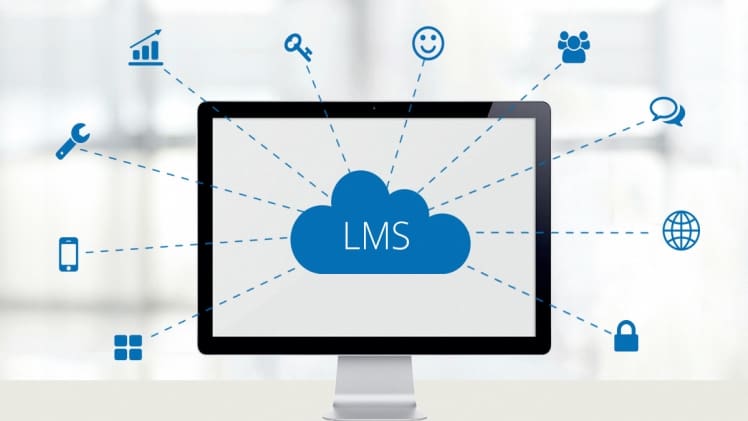
A School Learning Management System (LMS) is a powerful tool that enables schools to provide quality education to students. It has become a crucial part of modern education, especially during the pandemic where remote learning is the new norm. However, implementing a School LMS can be challenging. This article will discuss the common challenges that schools face when implementing an LMS and provide solutions to overcome them.
Challenge 1: Resistance to Change
One of the significant challenges in implementing a School LMS is resistance to change. Teachers and staff may be hesitant to adopt new technology, especially those who are not tech-savvy. They may fear that the new system may be too complicated to use or that it will require a lot of time and effort to learn.
Solution: Training and Support
To address this challenge, schools should provide adequate training and support to teachers and staff. The training should be comprehensive and easy to follow, with hands-on exercises and demonstrations. Additionally, schools can appoint a designated LMS administrator or support team to assist teachers and staff when they encounter any issues while using the LMS.
Challenge 2: Integration with Existing Systems
Schools already have several systems and tools in place, such as student information systems, attendance systems, and gradebooks. Integrating a new LMS with existing systems can be a challenge, especially if they are not compatible.
Solution: Compatibility and Interoperability
To overcome this challenge, schools should ensure that the new LMS is compatible with existing systems. Schools can also invest in an LMS that supports interoperability standards such as Learning Tool Interoperability (LTI) and Sharable Content Object Reference Model (SCORM), which allow for seamless integration with other systems.
Challenge 3: Technical Issues
Implementing an LMS requires technical expertise, and schools may face technical issues such as server downtime, slow internet connection, and software bugs.
Solution: Technical Support and Maintenance
To address technical issues, schools should provide technical support and maintenance to ensure that the LMS is running smoothly. Schools can either have an in-house technical team or outsource technical support to a third-party provider. Regular maintenance such as software updates, backups, and security checks should also be carried out to prevent technical issues.
Challenge 4: Data Privacy and Security
Student data privacy and security is a significant concern when implementing an LMS. Schools need to ensure that student data is secure and protected from unauthorized access.
Solution: Data Encryption and Policies
To address data privacy and security concerns, schools should ensure that the LMS has strong encryption mechanisms in place to protect student data. Additionally, schools should have data protection policies in place, such as access control policies, data backup policies, and data breach notification policies.
Conclusion
Implementing a School LMS can be challenging, but with the right strategies and solutions, schools can overcome these challenges and reap the benefits of an LMS. Adequate training and support, compatibility and interoperability, technical support and maintenance, and data privacy and security measures are critical to the successful implementation of an LMS. With proper planning and execution, schools can ensure that their LMS is efficient, effective, and meets the needs of their students, teachers, and staff.
