

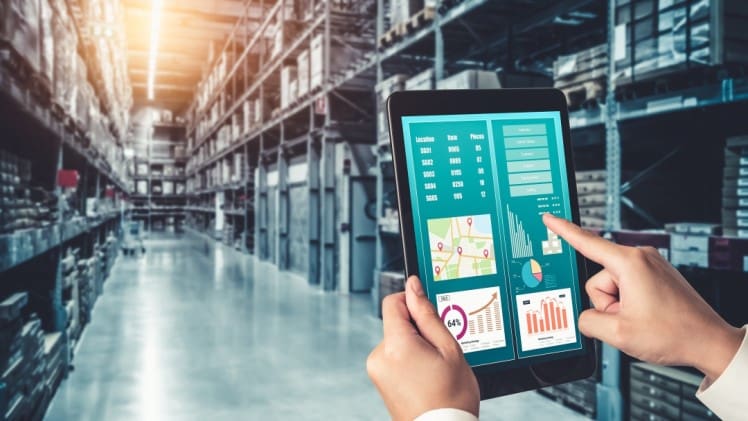
Managing inventory effectively is crucial for the success of any retail business. Retail inventory management involves overseeing the process of buying, storing, and selling merchandise. Implementing best practices in inventory management can help you optimize your operations, reduce costs, and increase profits. This article will discuss key strategies and technologies that can help you improve your retail inventory management.
Plan and Forecast Your Inventory Needs
Forecasting your inventory needs is critical for managing your inventory efficiently. You need to clearly understand the demand for your products and plan accordingly. Here are some tips for effective inventory planning:
- Analyze sales data to identify trends and patterns.
- Use historical data to forecast demand for the upcoming seasons.
- Stay up-to-date with industry trends and market changes.
- Maintain a safety stock to prepare for unexpected fluctuations in demand.
Implement RFID Inventory Management
RFID (Radio Frequency Identification) technology can help you streamline your inventory management process by providing real-time inventory tracking. RFID retail inventory can help you:
- Improve inventory accuracy and reduce errors.
- Automate inventory tracking and reduce manual labour.
- Speed up inventory counting and cycle times.
- Increase visibility into your inventory levels and movement.
Invest in Inventory Management Software
Investing in inventory management software can help you automate your inventory management process and improve accuracy. With good inventory management software, you can:
- Track inventory levels in real time.
- Set up reorder points and automatic replenishment.
- Analyze inventory data and identify areas for improvement.
- Forecast demand and plan your inventory accordingly.
Optimize Your Supply Chain
Optimizing your supply chain can help you reduce costs and improve the efficiency of your inventory management process. Here are some ways you can optimize your supply chain:
- Work with reliable suppliers who can provide consistent quality and timely deliveries.
- Use a just-in-time inventory system to reduce storage costs and minimize waste.
- Implement a vendor-managed inventory system to reduce the burden of managing inventory.
- Use data analytics to identify bottlenecks and optimize your supply chain.
Implement Inventory Control Measures
Implementing inventory control measures can help you reduce theft, loss, and waste. Here are some inventory control measures you can implement:
- Use security measures such as CCTV cameras and RFID tags to deter theft.
- Conduct regular inventory audits to identify and correct discrepancies.
- Implement a first-in, first-out (FIFO) inventory system to reduce waste and spoilage.
- Train your employees on inventory management best practices and procedures.
Conclusion
Retail inventory management is a critical aspect of running a successful retail business. You can optimise your operations, reduce costs, and increase profits by implementing best practices and leveraging technology such as RFID inventory management, inventory management software, and data analytics.
Remember to plan and forecast your inventory needs, optimize your supply chain, and implement inventory control measures to ensure the accuracy and efficiency of your inventory management system.
