

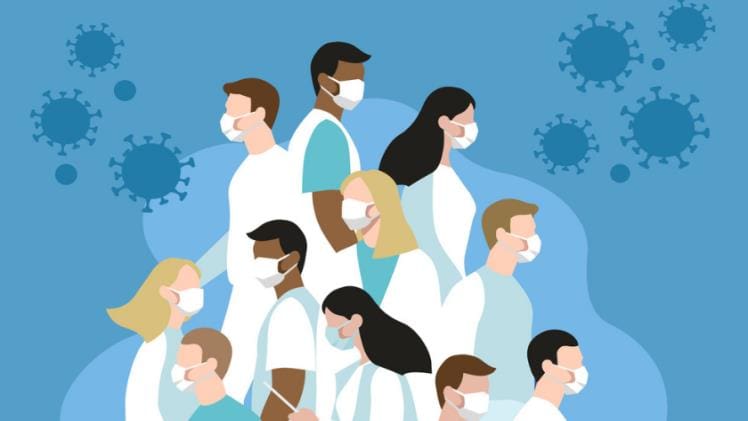
After more than a year of doing things digitally, the world has slowly begun to open up. Digital has become the norm due to the effects of the Covid-19 pandemic that began three (3) years ago. As things have slowly become normal, a fear of missing out has been replaced by a fear of normality.
How can one cope with the possibility of life after Covid? There are four ways that you can cope mentally with it. These may include the following:
Accept What You Feel
Firstly, you have to accept what you feel. Over the past years with Covid, many people have encountered emotional pain and suffering. There is also no shortage of trauma over the past years. The Covid pandemic exposed plenty of flaws in the system, such as poor mental health support, health inequalities, and other social issues.
With plenty of trauma, many worldviews have been quite altered by the pandemic. It has also changed how our brains process information and perceive the world. As a result, plenty of us have accumulated trauma from our experiences during the pandemic. Poor access to mental health and other social services can also make or break the impact of these traumas.
One way to process these traumatic experiences is to write in a journal what you feel, what you experienced, and what you have since ruminated on after those experiences.
Mental toughness training can help you as well. A good mental toughness trainer would also help you develop the mental toughness to persevere and develop resilience in times of hardship.
Eat Healthy
Secondly, you have to eat healthy and well-balanced meals. Great mental health is the result of an overall healthy lifestyle: in thought, in body, in action, and in belief. Eating healthy is also a great way to take care of your body.
Eating healthy means eating meals with balanced nutrients: you need fiber (plenty of it), protein, carbs, and fats that can help you process what you eat. A portion of great food you can eat also may include citrus fruits. Moreover, they offer various benefits, from boosting immunity to building collagen and reducing anemia and stress.
Get Moving
Most of us fell into the trap of a sedentary lifestyle during the pandemic. Gyms had been closed. Some of us also were residing within limited quarters. Although it’s valid that some of us might have fallen off the fitness pedal, getting around by exercising is also another good way to cope with stress mentally – that may include coping with this world after the pandemic.
Practice Mindfulness
Meditating is a good way to cope. However, we must start small first. Deep breathing and meditation are the most common and recommended mindfulness practices. It also allows us to relax and enjoy a break after stress.
Wrapping Up
The world has opened up since Covid. Although the era has left us mental scars, it is possible to overcome them with healthy coping mechanisms. These mechanisms will allow us to practice healthier and more mindful habits.
Author’s Bio:
Edwin Deponte is a motivational writer and a mental health advocate who is very passionate in writing about workplace mental and emotional health.
