

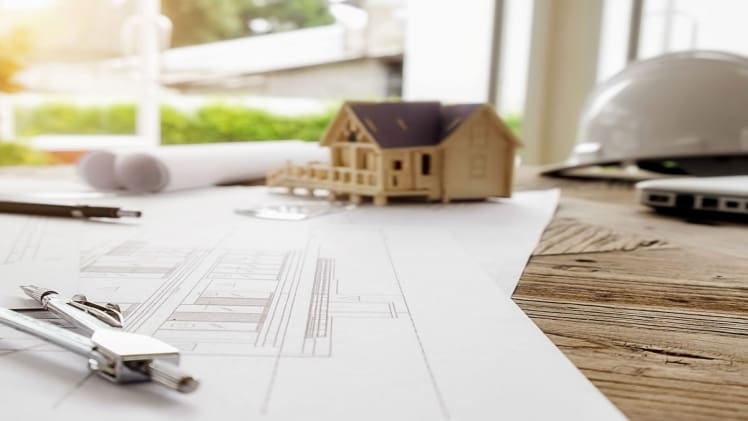
Modern architecture has seen a radical shift in the way buildings are designed and constructed. With a focus on sustainability, functionality, and aesthetics, architects are relying on interior design engineers to help create innovative and efficient spaces. The role of an interior design engineer in modern architecture is crucial in creating spaces that are not only visually appealing but also functional and sustainable.
Understanding the Role of an Interior Design Engineer
An interior design engineer is responsible for designing, planning, and overseeing the construction of interior spaces. They work closely with architects, contractors, and other professionals to ensure that the interior spaces of a building are functional, aesthetically pleasing, and meet the needs of the occupants. Interior design engineers take into consideration the building’s structure, functionality, and intended use when designing the space.
The Importance of Collaboration
Collaboration is essential in modern architecture, and interior design engineers must work closely with architects, contractors, and other professionals to ensure that the interior spaces of a building are designed and constructed efficiently. Architects and interior design engineers work hand in hand to ensure that the design of a building is functional and aesthetically pleasing. Contractors rely on the expertise of interior design engineers to ensure that the construction of the interior spaces is carried out efficiently and safely.
The Impact of Technology
Technology has had a significant impact on modern architecture, and interior design engineers must use the latest technology to design and construct interior spaces efficiently. With the use of Building Information Modeling (BIM), interior design engineers can create 3D models of the building’s interior spaces. BIM allows for the visualization of the interior spaces, which helps in the planning and design process.
The Future of Interior Design Engineering
The future of interior design engineering looks promising, with the increasing demand for sustainable buildings. Interior design engineers will play a crucial role in designing and constructing buildings that are not only aesthetically pleasing but also sustainable and energy-efficient.
As the world becomes more aware of the impact of human activities on the environment, there is a growing need for buildings that are eco-friendly and minimize their carbon footprint. This is where interior design engineers come in, as they have the expertise to create spaces that are both functional and environmentally responsible.
Interior design engineering is a field that combines creativity with technical knowledge, and the future of this profession is bright. With the development of new technologies and materials, interior design engineers will have even more tools at their disposal to create sustainable and energy-efficient buildings.
In addition to designing spaces that are environmentally responsible, interior design engineers will also need to consider the health and well-being of the people who will be using these spaces. This includes factors such as lighting, air quality, and ergonomics, all of which can have a significant impact on human health and productivity.
Conclusion
The role of an interior design engineer in modern architecture is crucial in creating functional, aesthetically pleasing, and sustainable interior spaces. Collaboration with other professionals and the use of technology play a significant role in ensuring that the interior spaces of a building are designed and constructed efficiently. The future of interior design engineering looks promising, with the increasing demand for sustainable buildings and the continued development of technology.
