

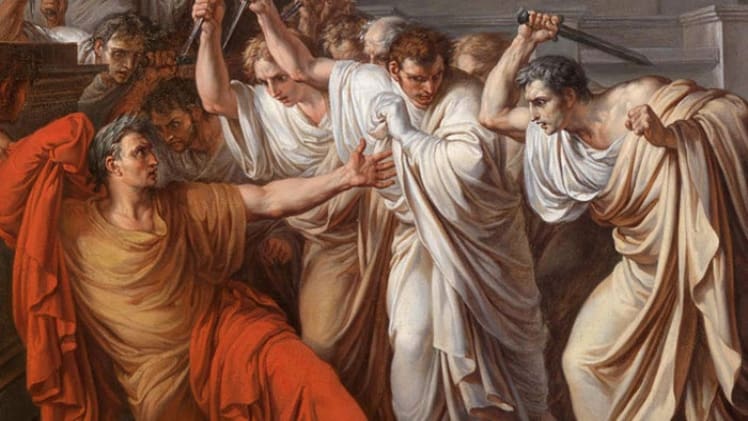
Introduction: The fall of the Roman Empire marked a significant turning point in history, leading to a period of political, social, and cultural transformation. As the centralized Roman government crumbled, civic duties and responsibilities underwent a shift. In this article, we will delve into the political force that assumed civic duties after the fall of the Roman Empire, examining the factors that influenced this transition and its impact on governance and society.
The Decline and Fall of the Roman Empire: The decline and fall of the Roman Empire were a result of a combination of internal struggles, external invasions, economic instability, and political fragmentation. The once powerful and unified empire gradually disintegrated, leading to a power vacuum and the need for a new political force to assume civic duties.
Rise of Feudalism: One of the prominent political forces that emerged after the fall of the Roman Empire was feudalism. Feudalism was a social and economic system that gained prominence during the Middle Ages. In this system, local lords or landowners, known as feudal lords, assumed civic duties and responsibilities within their respective territories. They provided protection, maintained law and order, and collected taxes from the inhabitants in exchange for their loyalty and labor.
Decentralization of Power: Feudalism was characterized by the decentralization of power, as authority and responsibilities were delegated to local lords. These lords held control over their lands and exercised governance in their territories. They established their own laws, administered justice, and managed civic affairs. This decentralized system of governance allowed for more localized decision-making and management of civic duties.
Manorialism and Serfdom: Alongside feudalism, manorialism played a significant role in assuming civic duties after the fall of the Roman Empire. Manorialism was an economic system in which peasants, known as serfs, worked on the estates of the feudal lords, known as manors. The serfs were bound to the land and owed labor and other obligations to the feudal lords in exchange for protection and the right to live on the land.
The Role of the Church: During this period, the Christian Church also played a pivotal role in assuming civic duties. The Church acted as a moral authority and provided social and charitable services to the communities. It offered spiritual guidance, education, and welfare support, filling the void left by the decline of the Roman government. The Church also played a role in influencing political decisions and shaping the governance structure of the time.
Impact on Society: The transition of civic duties to feudal lords and the rise of manorialism had a profound impact on society. The feudal system created a hierarchical structure, with the feudal lords at the top and the serfs at the bottom. This resulted in a rigid social order and limited upward mobility for the majority of the population. The system also led to a fragmented political landscape, with local lords exerting control over their territories and often engaging in power struggles among themselves.
Conclusion: After the fall of the Roman Empire, feudalism emerged as a dominant political force, assuming civic duties and responsibilities. Feudal lords took on governance roles within their territories, while manorialism and serfdom shaped the economic and social fabric of society. The Christian Church also played a significant role in assuming civic duties and providing support to the communities. The transition of civic duties had a lasting impact on governance, social structure, and individual rights during the Middle Ages. Understanding this pivotal period in history allows us to comprehend the evolution of political forces and their influence on the development of societies in the post-Roman era.
