

Carbon fiber is composed of thin strands of carbon atoms, which are arranged in a crystal structure. These strands, often thinner than human hair, are woven together to produce a fabric. This fabric is then set within a resin, giving it strength and rigidity, resulting in what is called carbon fiber-reinforced polymers (CFRPs).
The resulting composite material has remarkable strength and lightness, durability and flexibility, and is a key factor in technological advances in countless industries, including the ones covered here.
The Carbon Fiber Manufacturing Process
The production of carbon fiber involves several stages:
- Precursor Stage. Almost 90% of the carbon fibers come from a synthetic material called polyacrylonitrile (PAN). The remaining are made from rayon or petroleum pitch.
- Spinning. The chosen precursor is spun into fibers, which are then washed and stretched.
- Oxidizing. After spinning, the fibers undergo oxidation. This step stabilizes the bond structure of the fibers, preventing them from melting or burning during subsequent heating.
- Carbonization. The fibers are then exposed to high temperatures (often above 2300°F) in an inert atmosphere. This strips the fibers of non-carbon atoms and further aligns the remaining carbon atoms.
- Surface Treatment and Sizing. The fibers, after carbonization, have a smooth surface. This makes it hard for them to bond with the resin during the composite material formation. So a surface treatment is done, which often involves oxidation. After treatment, the fibers are coated or sized to improve handling characteristics and protect against damage.
Carbon Fiber’s Impact on Various Industries
Aerospace and Aviation
The priority for these sectors is usually weight. Lighter aircraft and space vehicles consume less fuel, offer increased payload capabilities, and have a longer service life.
With carbon fiber being five times stronger than steel and considerably lighter, its use in the manufacturing of aircraft and spacecraft components has led to significant weight reductions and increased performance.
Automotive
Like aerospace, the automotive industry relies on the weight-saving properties of carbon fiber. Lighter cars are more fuel-efficient, which is crucial in an era of rising fuel prices and environmental concerns. Beyond fuel efficiency, carbon fiber’s strength enhances safety, and its flexibility allows for innovative designs.
Sports Equipment
Anyone who plays tennis or goes cycling with the latest gear on has probably felt the benefits of carbon fiber. Its lightweight and sturdy nature make it the material of choice for many sporting goods, helping athletes set new records and reach their full potential.
Medical
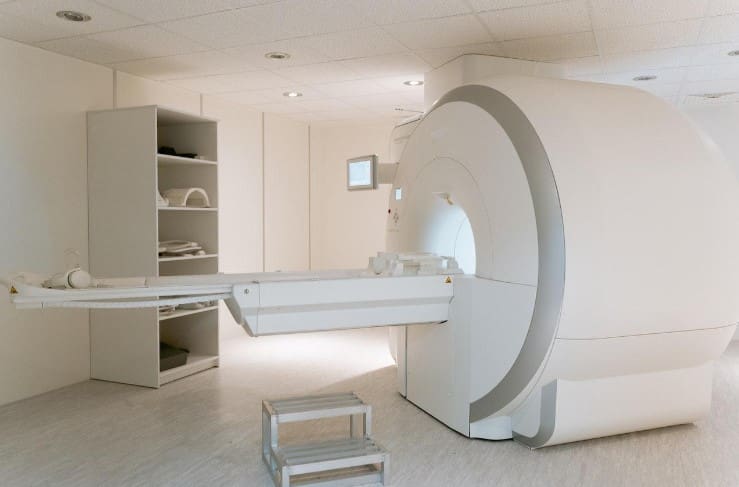
Carbon fiber is common in the medical world, particularly in equipment like X-ray imaging tables and surgical tools. Its radiolucent properties mean it doesn’t show up on X-ray images, allowing for clearer images. Plus, its strength-to-weight ratio has improved prosthetics and orthopedics.
Energy
The renewable energy sector, particularly wind energy, has embraced carbon fiber. The blades of wind turbines are often enormous in size and benefit from carbon fiber’s strength and lightness, which allows for more efficient energy capture.
Civil Engineering
The construction and infrastructure industry has long recognized carbon fiber’s potential. Used as a reinforcement, it’s been applied in the strengthening of bridges, buildings, and tunnels. It’s especially valuable in retrofitting older structures to extend their service life or to meet new safety standards.
Conclusion
The development of carbon fibre, from its complex manufacturing process to its wide-ranging applications, serves as an example of how far science and technology have brought us over time. With continued innovations, the future of engineering, design, and manufacturing will be shaped by carbon fiber’s continued integration across industries.
