

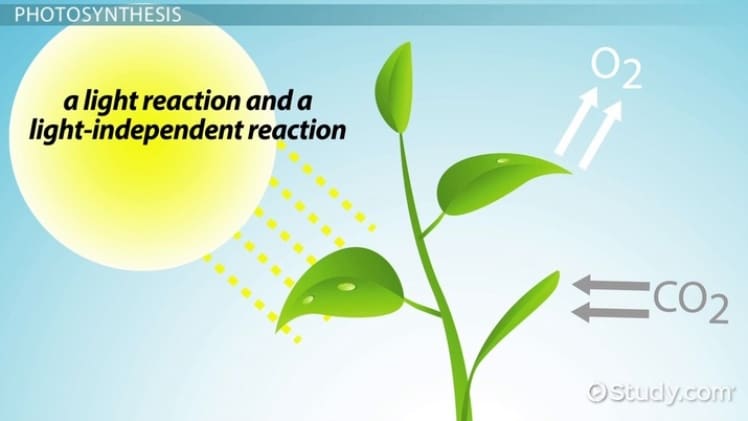
Carbon fixation is a crucial biological process that plays a fundamental role in sustaining life on Earth. It involves the conversion of inorganic carbon dioxide (CO2) into organic compounds by various organisms, ranging from plants and algae to certain bacteria. This transformative process, which occurs through a series of biochemical reactions, is responsible for replenishing the carbon needed for the synthesis of essential biomolecules. In this article, we will explore how carbon fixation involves the addition of carbon dioxide to different molecules and the significance of this process in maintaining the delicate balance of our planet’s ecosystems.
The Role of Carbon Fixation
Carbon fixation is an essential step in the carbon cycle, which encompasses the exchange of carbon between the atmosphere, oceans, and living organisms. Through photosynthesis, plants and algae convert atmospheric CO2 into glucose and other organic molecules, storing energy in the process. This carbon is then passed through the food chain as organisms consume plants or other animals, creating a continuous cycle of carbon flow. Additionally, certain bacteria and archaea perform carbon fixation through chemosynthesis, utilizing inorganic compounds to synthesize organic matter.
Carbon Fixation Pathways
Several carbon fixation pathways exist, each with its own distinct mechanisms and organisms that employ them. The most common pathway, found in the majority of plants and algae, is the Calvin cycle (also known as C3 photosynthesis). In this process, carbon dioxide is added to a five-carbon sugar called ribulose-1,5-bisphosphate (RuBP) to produce two molecules of a three-carbon compound, phosphoglycerate (PGA). Subsequent enzymatic reactions convert PGA into organic compounds, including glucose.
Other organisms, such as certain desert plants and some bacteria, employ alternative pathways to overcome the limitations of C3 photosynthesis. The C4 and CAM (Crassulacean Acid Metabolism) pathways involve the addition of CO2 to different molecules to enhance carbon fixation efficiency and minimize water loss. In C4 plants, CO2 is initially fixed into a four-carbon compound before being incorporated into the Calvin cycle. CAM plants, on the other hand, open their stomata at night to take in CO2, which is stored as organic acids and then utilized during the day for photosynthesis.
Significance for Earth’s Ecosystems
The process of carbon fixation holds immense ecological significance. By converting carbon dioxide into organic compounds, organisms contribute to reducing atmospheric CO2 levels, thus playing a crucial role in mitigating climate change. Carbon fixation also provides the building blocks for the formation of carbohydrates, proteins, lipids, and other vital molecules necessary for growth and development. Furthermore, the release of oxygen as a byproduct of photosynthesis, which is enabled by carbon fixation, is essential for supporting the respiratory needs of diverse life forms on Earth.
In recent years, the significance of carbon fixation has gained greater attention due to rising concerns about global carbon emissions and their impact on climate change. Researchers are exploring ways to enhance carbon fixation rates through innovative technologies and sustainable agricultural practices, aiming to contribute to carbon sequestration and reduce greenhouse gas concentrations.
Conclusion
Carbon fixation is a fundamental process that drives the carbon cycle, allowing organisms to convert inorganic carbon dioxide into organic compounds essential for life. Through photosynthesis and chemosynthesis, plants, algae, and certain bacteria incorporate carbon dioxide into various molecules, producing vital organic matter and helping maintain the delicate balance of Earth’s ecosystems. Understanding the mechanisms and significance of carbon fixation is crucial for addressing environmental challenges and developing sustainable approaches to combat climate change.
