

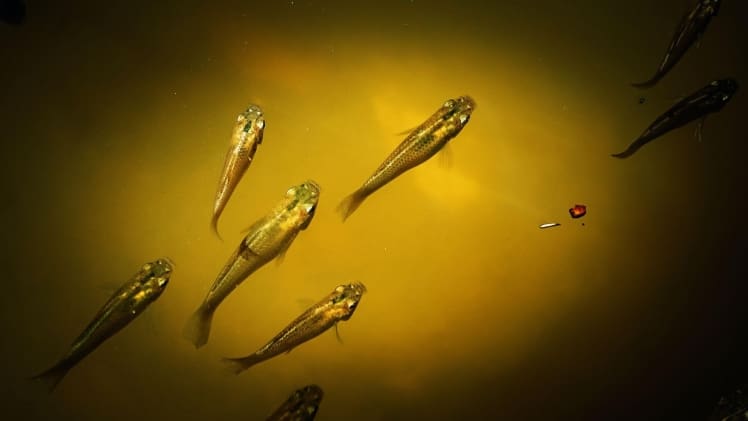
Looking for an alternative to a traditional pedicure treatment to get rid of dead skin and calluses? You may be considering a fish pedicure, which has gained popularity as a unique spa treatment that involves using tiny fish, Garra rufa (also known as doctor fish), to nibble away dead skin from the feet. Originating in Turkey and the middle east, where these fish are native, garra rufa fish are now imported around the world to be used in fish pedicures.
As they nibble, you feel a slight “tickling” sensation, which most people say is pleasant. The results are smoother feet and reduced calluses; it might also potentially help certain skin conditions like psoriasis. This is sure to be appealing if you dread the thought of anyone needing to handle your feet to shave or file off dead skin and calluses.
However, concerns regarding safety and ethical considerations have emerged, prompting the question: Are fish pedicures safe? So what’s the alternative if you don’t want a traditional pedicure performed by humans? With the latest foot peels, you can get rid of dead skin, calluses and corns at home and achieve better results without the associated risks.
Still curious? In this blog, we will explore the risks and ethical concerns associated with fish pedicures.
Five Reasons Not to Have Fish Pedicures
- Infection Risks: One of the main safety concerns with fish pedicures is the potential for infections. The tubs used for fish pedicures are difficult to sanitise properly, increasing the risk of spreading pathogenic bacteria between customers.
There have been reports of staph infections and mycobacteriosis associated with fish pedicures. Additionally, the presence of open cuts or wounds increases the risk of bloodborne diseases, with concern in India that there is a potential for transmission of HIV and hepatitis between customers. This is especially concerning as some fish used in fish pedicures, such as Chin-chin, have teeth and can bite, causing bleeding and raising the risk of infection.
- Nail Trauma: Although the fish are intended to nibble only on dead skin, there have been cases of nail trauma associated with fish pedicures. The pressure exerted by the fish can cause damage to the nail matrix, leading to onychomadesis, a condition where toenails blacken and eventually fall off.
- Ethical Concerns: Fish pedicures raise ethical concerns as the fish are often starved to induce them to feed on dead skin. There is also concern about the importing of these fish in large quantities, which can often result in mistreatment and inhumane practices.
- Fish Waste: Fish poop, so you are putting your feet into a fish waste bowl!
- Environmental Impact: Garra rufa fish are not native to many regions where fish pedicures are offered. If these fish are released into the wild, this can disrupt ecosystems and pose a threat to native plant and animal life.
- Poor results: Fish will simply nibble randomly, which means certain areas of hard skin can be missed. Many people say that their skin feels bumpy and uneven when after a fish pedicure.
Are Fish Pedicures Really Worth the Risk?
In the UK, fish pedicures are not controlled by NICE, the National Institute for Clinical Excellence, which means there are no regulations around sterilising bowls or how often the water needs to be changed. Considering the safety concerns, including the risk of infection, nail trauma and ethical issues related to fish pedicures, you might want to opt for alternative foot care treatments.
While the idea of using fish for exfoliation might sound intriguing, the risks outweigh the potential benefits. Furthermore, fish pedicures are banned in several parts of Europe and certain parts of America and Canada due to these safety and ethical concerns.
The Fish Pedicure Take Away
A podiatrist will do a far superior job if you want to get rid of dead skin, calluses and corns on your feet. And if you don’t like the thought of someone else doing your foot care, there are many effective foot care products that you can buy to use at home that can produce similar results.
