

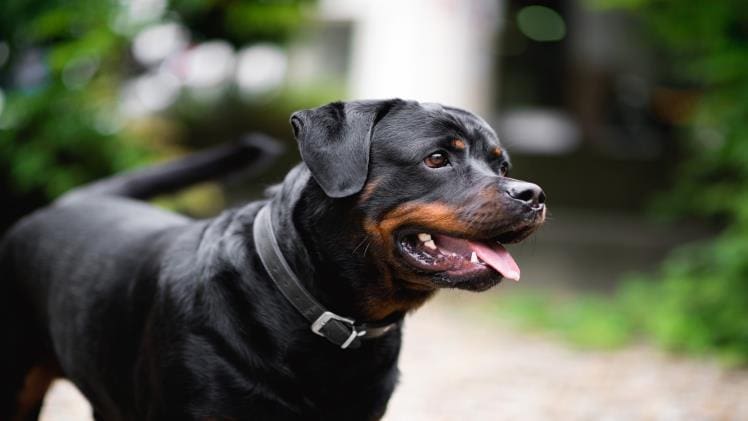
In a world where safety concerns are becoming increasingly prevalent, many Britons are seeking alternative ways to ensure their well-being. One approach that has gained popularity is the concept of raising a personal protection dog. These loyal and highly trained companions not only offer a sense of security but also become an integral part of your family. However, the journey from a playful pup to a reliable protector is not one to be taken lightly. In this comprehensive guide, we will explore the ins and outs of raising your own personal protection dog in the United Kingdom. From selecting the right breed to training and socialization, we’ll cover it all. So, if you’re considering adding a furry guardian to your home, read on to discover the steps involved in nurturing your canine companion into a formidable protector.
Why Professional Training Can’t Be Matched at Home
Before delving into the process of raising a personal protection dog, it’s crucial to understand why professional training is often a necessity. To shed light on this aspect, we conducted a brief interview with an expert from TotalK9, a renowned name in the field of professional personal protection dog training. This expert, who preferred to remain unnamed, highlighted two key reasons why professional training can’t be matched at home.
1. Expertise and Experience
One of the primary reasons professional training is essential is the expertise and experience that trainers bring to the table. The expert emphasized that raising a personal protection dog involves much more than teaching basic commands. It requires a deep understanding of canine behavior, psychology, and the specific traits of protection dog breeds.
Professional trainers like https://sallysaidso.com/dog-
2. Specialized Training Techniques
The second critical aspect highlighted by the protection dog training expert is the use of specialized training techniques. Protection dog training goes beyond traditional obedience training. It involves teaching the dog to respond swiftly and appropriately to potential threats, while also ensuring they remain sociable and well-behaved in everyday situations.
“Professional trainers are equipped with a range of specialized techniques that have been honed over years of practice,” the expert noted. ” The purpose of these techniques is to instill a powerful instinct of protection in the dog while simultaneously preserving a calm and controlled demeanour during the process. Attempting to develop these skills at home without the right knowledge and methods can lead to confusion and behavioural issues.”
With these insights from the protection dog training expert in mind, let’s explore the steps involved in raising your own personal protection dog.
3. Choosing the Right Breed
The foundation of a great personal protection dog begins with selecting the right breed. Not all dogs are suitable for protection work, and it’s crucial to choose a breed that possesses the necessary characteristics. Breeds commonly chosen for protection work include the German Shepherd, Belgian Malinois, Rottweiler, and Doberman Pinscher. The intelligence, loyalty, and protective instincts of these breeds have earned them a well-deserved reputation.
When choosing a breed, it’s essential to consider your lifestyle and living situation. Some breeds require more space and exercise than others, so ensure your chosen breed is a good fit for your home and daily routine.
4. Finding a Reputable Breeder
Once you’ve selected a breed, the next step is to find a reputable breeder. A responsible breeder will focus on producing dogs with sound health and temperament. Avoid purchasing a dog from a pet store or backyard breeder, as these sources may not provide the same level of quality and care.
Reputable breeders will provide health clearances for the puppy’s parents and offer information on the puppy’s lineage. This information can help ensure that your puppy is less prone to genetic health issues and possesses the traits required for protection training.
5. Early Socialization
Socialization is a crucial step in raising a personal protection dog. It’s essential to expose your puppy to various environments, people, and situations from a young age. Proper socialization helps the dog develop into a confident and well-adjusted adult.
The expert stressed the importance of this phase: “Early socialization is key to ensuring that the protection dog can distinguish between normal situations and genuine threats. They need to learn how to interact positively with people and other animals while maintaining their protective instincts.”
6. Basic Obedience Training
Before diving into protection training, it’s essential to establish a solid foundation of basic obedience. Commands such as “sit,” “stay,” “come,” and “heel” are included in this category. Obedience training lays the groundwork for more advanced protection training and ensures that your dog responds reliably to your commands.
Professional trainers can help you with this crucial stage of training, ensuring that your dog’s obedience is impeccable.
7. Specialized Protection Training
The advantage of personal protection dogs lies from raising them with specialized protection training. This phase involves teaching your dog how to respond to potential threats and protect you and your family when necessary. While some aspects of this training can be taught at home, it’s imperative to seek professional guidance to ensure it’s done correctly.
Protection training includes teaching your dog to:
Bark on command to deter potential threats.
Hold and release on command to apprehend intruders.
Remain calm and controlled in high-stress situations.
Differentiate between normal visitors and potential threats.
The expert emphasized that protection training should always prioritize the safety and well-being of both the dog and the handler. “According to the expert, professional trainers employ techniques of positive reinforcement in order to ensure that the dog creates a positive association between protection work and experiencing positive experiences. This approach helps maintain a strong bond between the dog and the owner.”
8. Continued Training and Maintenance
Protection training is an ongoing process that requires consistent practice and maintenance. Even after your dog has reached a high level of proficiency, regular training sessions are necessary to keep their skills sharp. Additionally, continued socialization and exposure to various situations are essential to ensure that your protection dog remains well-rounded and adaptable.
9. Legal Considerations
It’s crucial to be aware of the legal considerations surrounding personal protection dogs in the UK. While owning a well-trained protection dog can offer peace of mind, there are laws in place to ensure responsible ownership. Your protection dog should not pose a danger to the public, and you must have control over them at all times.
Additionally, you may need to adhere to specific regulations in your area, so it’s advisable to consult with local authorities or legal experts to understand your responsibilities as a protection dog owner.
Conclusion
Raising your own personal protection dog can be a rewarding journey that results in a loyal companion and a formidable guardian. However, it’s essential to approach this endeavor with dedication, responsibility, and a commitment to professional training. While the expert highlighted the importance of professional guidance, the bond you develop with your protection dog will be deeply rewarding, offering you not only security but also a lifelong friendship.
Remember that every dog is unique, and the timeline for training and development may vary. Patience, consistency, and a genuine love for your furry companion are essential ingredients for success. With the right breed, reputable breeder, and the guidance of professional trainers, you can raise a personal protection dog that is not only skilled but also a loving member of your family. So, if you’re considering taking this path, take the first step toward a safer and more secure future with your four-legged protector.
