

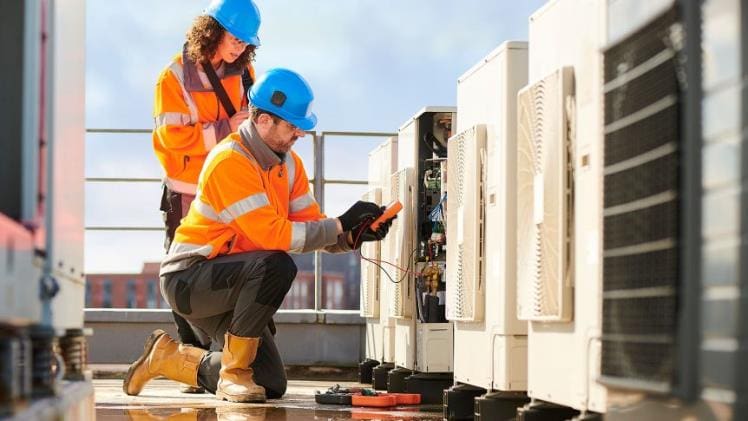
The cooling industry has placed more importance on energy efficiency and sustainability in the past years. One area where significant energy savings can be achieved is through the adoption of a “cooling as a service” model, which can reduce energy consumption for building owners while also providing a range of other benefits.
Cooling as a Service (CaaS) is a business model that enables building owners to purchase cooling as a service rather than investing in and owning a cooling system themselves. Under this model, a third-party provider installs and maintains the cooling equipment, and the building owner pays for the cooling on a usage basis. This can include a range of services, including temperature control, humidity control, and air quality monitoring.
How CaaS Reduces Energy Consumption
The CaaS model can help building owners reduce energy consumption in several ways:
- More Efficient Cooling Equipment: CaaS providers use the latest and most energy-efficient technology, such as a chilled water system. This means that building owners can benefit from the most advanced equipment without having to make a significant investment. Newer, more efficient equipment can reduce energy consumption by up to 50% compared to older models.
- Reduced Maintenance Costs: Maintaining cooling equipment can be expensive, and many building owners may not have the necessary expertise to keep the equipment running efficiently. With the CaaS model, third-party providers handle all maintenance and repair costs, ensuring that the equipment is always running at peak efficiency.
- Flexibility and Scalability: CaaS providers offer flexibility and scalability, allowing building owners to adjust their cooling requirements as their needs change. This means that building owners can avoid overpaying for cooling they don’t need, reducing energy waste and saving money.
- Monitoring and Optimization: Building owners can track their energy consumption and discover opportunities to improve efficiency by taking advantage of monitoring and optimization services provided by CaaS providers. This can include identifying areas where cooling is being wasted or optimizing the equipment’s settings for maximum efficiency.
Benefits of CaaS
In addition to reducing energy consumption and costs, there are several other benefits of the CaaS model:
- Improved Indoor Air Quality: CaaS providers have the ability to monitor and enhance indoor air quality, which can greatly affect the health and well-being of those who are inside the building. This can include monitoring for pollutants, allergens, and other contaminants and implementing measures to improve air quality.
- Reduced Capital Expenditures: Some building owners may find it difficult to invest in cooling equipment due to the high costs involved. With the CaaS model, building owners can avoid the upfront costs of purchasing and installing cooling equipment typically seen on district cooling systems, freeing up capital for other investments.
- Reduced Risk: CaaS providers assume the risk associated with owning and operating cooling equipment, including maintenance and repair costs. Building owners who lack expertise or resources can benefit greatly from this solution, as it helps them cover costs that they may not be able to handle on their own.
- Improved Sustainability: By reducing energy consumption, CaaS can also improve the sustainability of buildings and reduce their carbon footprint. This can be an important consideration for building owners who are looking to improve their environmental performance.
The Cooling as a Service business model is a clever way for building owners to lessen their energy usage, boost the quality of indoor air, and enjoy numerous other advantages. By outsourcing the ownership and operation of cooling equipment to third-party providers, building owners can benefit from more efficient equipment, reduced maintenance costs, and improved flexibility and scalability. CaaS is a promising solution for building owners who want to reduce costs and improve the sustainability of their buildings.
