

Introduction:
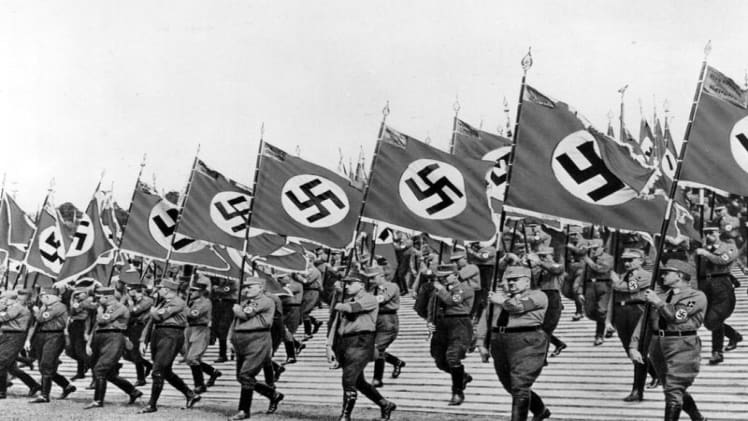
The Nazi regime, led by Adolf Hitler, left an indelible mark on the lives of the German people during its reign from 1933 to 1945. Through a combination of propaganda, ideology, and oppressive policies, the Nazi government transformed various aspects of German society. In this article, we explore three significant ways in which Nazi rule profoundly affected the lives of the German people, leaving lasting social, political, and cultural consequences.
1.Suppression of Civil Liberties and Political Oppression:
Under Nazi rule, fundamental civil liberties were severely curtailed, and political oppression became widespread. The regime dismantled democratic institutions, banned opposition parties, and established a totalitarian state. German citizens faced limited freedom of speech, assembly, and press. Dissenting voices were suppressed, with intellectuals, activists, and political opponents subjected to persecution, imprisonment, and even execution. The Gestapo, the secret police force, instilled fear and surveillance, undermining the basic rights and freedoms of the German population.
2.Racial Persecution and the Holocaust:
One of the most heinous aspects of Nazi rule was the implementation of systematic racial persecution, culminating in the Holocaust. The Nazi ideology propagated a racist doctrine that deemed Jews, along with other marginalized groups such as Romani people, disabled individuals, and LGBTQ+ individuals, as inferior and deserving of extermination. German society witnessed the implementation of discriminatory laws, the establishment of concentration camps, and the systematic genocide of millions. The Holocaust not only resulted in the loss of countless innocent lives but also left a lasting moral stain on German society.
3.Militarization and Total War:
Nazi rule brought about a significant militarization of German society. Hitler’s aggressive foreign policy, expansionist ambitions, and pursuit of Aryan supremacy led to the outbreak of World War II. The German people were mobilized for total war, which entailed conscription, rationing, and the redirection of resources toward military efforts. Families were separated as men were drafted into the armed forces, causing social and economic disruption. The war brought immense suffering to German civilians, with bombings, scarcity of essential goods, and the eventual devastation of German cities.
Conclusion:
Nazi rule had a profound and far-reaching impact on the lives of the German people. The suppression of civil liberties, political oppression, and the erosion of democratic institutions resulted in a loss of personal freedoms and the stifling of dissent. The racial persecution and the Holocaust inflicted unimaginable suffering and forever altered the moral fabric of German society. The militarization and total war efforts disrupted social structures and caused immense hardship for German civilians. It is crucial to remember and learn from this dark period in history to ensure that such atrocities are never repeated, and to strive for a society that upholds fundamental human rights and fosters a culture of tolerance and inclusivity.
