

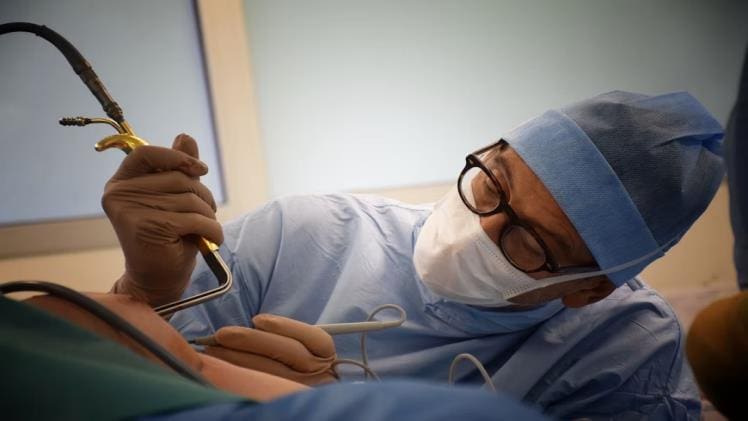
Knee arthroscopic surgery is a common procedure used to diagnose and treat various knee conditions. It is a minimally invasive surgical technique that has gained popularity due to its effectiveness and shorter recovery time compared to traditional open surgeries. If you’re considering knee arthroscopic surgery, you might be wondering about the level of pain associated with the procedure, both during and after. After all, the word ‘surgery’ in itself often brings images of discomfort.
So, what exactly is knee arthroscopic surgery from a specialist orthopaedic surgeon named Dr David Slattery? During this procedure, a surgeon makes small incisions in the knee and inserts a tiny camera called an arthroscope. This camera provides a clear view of the inside of the knee joint, allowing the surgeon to examine and repair any damage. Surgical instruments are inserted through additional small incisions to perform necessary procedures, such as trimming damaged cartilage, repairing ligaments, or removing loose fragments.
When it comes to pain during knee arthroscopic surgery, the good news is that the procedure is typically performed under general anesthesia or regional anesthesia, which means you won’t feel any pain during the surgery itself. General anesthesia puts you to sleep, while regional anesthesia numbs the lower half of your body, including the surgical site. Your anesthesiologist will discuss the most suitable option for you based on your medical history and the surgeon’s recommendation.
After the surgery, it’s normal to experience some pain and discomfort as the effects of anesthesia wear off. This being said, the level of pain can vary from person to person. Your surgeon will prescribe pain medications to manage the pain during the initial recovery period. It’s crucial to follow their instructions regarding medication dosage and frequency.
To minimize post-operative pain and swelling, your surgeon may recommend the following:
- Rest and elevation: Elevating your leg and keeping it elevated as much as possible can reduce swelling and discomfort.
- Cold therapy: Applying ice packs or cold compresses to the surgical area can reduce swelling and alleviate pain.
- Compression: Wearing a compression bandage or using compression wraps can provide support and keep swelling down.
- Physical therapy: Your surgeon may refer you to a physical therapist who will guide you through exercises and rehabilitation techniques to improve strength, flexibility, and mobility in your knee.
It’s important to note that while knee arthroscopic surgery is generally associated with less pain and a quicker recovery compared to open surgeries, individual experiences can vary. Factors such as the extent of the knee damage, the patient’s overall health, and adherence to post-operative care can influence the recovery process.
During the recovery period, it’s crucial to communicate openly with your surgeon and healthcare team. If you’re experiencing severe or prolonged pain, or if you notice any signs of infection such as excessive swelling, redness, or fever, it’s important to reach out to your healthcare provider immediately. If you’re concerned about anything at all, speak to a medical professional. If all goes well, you will be able to lead a normal life again in no time!
Summary
While you won’t feel any pain during the surgery itself due to anesthesia, it’s normal to experience some discomfort during the initial recovery period. Pain management techniques such as medication, rest, elevation, cold therapy, compression, and physical therapy can help alleviate pain and support your recovery. Remember to follow your surgeon’s instructions and communicate any concerns or complications with your healthcare provider!
