

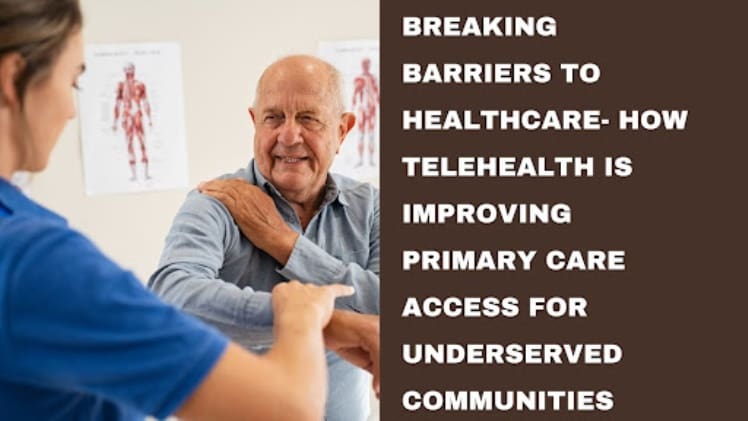
The COVID-19 pandemic re-established the significance of healthcare access, especially for underserved regions. Usually, primary healthcare services are the first defense in preventing and managing chronic diseases and illnesses. Yet, many people encounter difficulties accessing these services due to:
- Lack of mobility
- Financial difficulties
- Shortage of healthcare providers in their local region.
A potential solution to these problems is telehealth. The technology used to deliver healthcare services has helped bridge the gap in accessing healthcare services.
This article will examine how telehealth lowers healthcare obstacles and enhances access to primary care for the underprivileged communities.
Telehealth In Relation to Primary Health Care
Telehealth, also called telemedicine, delivers healthcare services remotely via technology and communication. This means that the primary care physician uses the following to reach out to patients:
- Mobile health software
- Remote monitoring
- Video consultations
Through telehealth, medical professionals can communicate with patients from any location. Fortunately, today you can easily find a primary care doctor who focuses on preventative and comprehensive care. They are dedicated to patient experience, and they can help break geographical restrictions that might otherwise prohibit them from receiving timely care.
The primary care physician (PCP) is a healthcare professional who is the first point of contact for people seeking medical attention. They are prepared to offer thorough, ongoing treatment to individuals of various ages, genders, and medical conditions.
Also, a primary care doctor offers routine check-ups, acute disease diagnosis, and treatment. They can also offer chronic condition management and preventative care services, including immunizations and health screenings. Access to primary care is crucial for maintaining good health and preventing serious health conditions.
Unfortunately, there is a shortage of primary care doctors in rural and disadvantaged areas. This results in long patient wait times and other challenges in getting expert care.
Conversely, telehealth continues to assist in easing access to primary care services, especially for the underserved regions. The right primary care providers can give you the attention you need to stay healthy. So, whether you’re looking for general healthcare or primary care for seniors, patients can get medical care remotely, thanks to telehealth.
What Are The Major Barriers To Healthcare Services In Rural Populations
Healthcare services must be available and timely. However, access to healthcare is often challenging for the rural communities. Other issues may make it difficult for residents to receive primary healthcare, even when a sufficient supply of healthcare services is available. Such challenges include:
- Geographical Barriers: Rural populations often live in remote areas. This may make it difficult for them to access healthcare services. The possible hindrances include lack of transportation infrastructure and the distance they may have to travel to reach a healthcare facility.
- Limited Availability of Healthcare Providers: Rural areas typically have a lower density of healthcare providers, which can make it difficult for patients to find a primary care provider who can meet their needs. This can be particularly challenging for patients who require specialized care, hence the need for primary care specialists.
- Financial Barriers: Rural populations often have lower incomes and less access to health insurance, making it difficult for them to afford healthcare services.
- Lack of Health Education: Rural populations often have limited access to health education and resources, which can lead to a lack of knowledge about preventative care and the importance of regular check-ups.
- Cultural Barriers: Rural populations tend to have unique cultural beliefs and practices that may influence their attitudes toward healthcare. This can make it difficult for healthcare providers to effectively communicate with them and provide appropriate healthcare.
- Limited Technology: Rural areas may have limited access to technology, which can make it challenging for patients to receive healthcare services remotely.
Benefits And Roles Of Telehealth
We’ve seen some of the challenges people face in the rural areas. However, telehealth is making a significant impact in the health industry in regard to some of these challenges faced in rural areas.
Here are the various benefits of telepaths in today’s healthcare industry:
1. Boosts Convenience to Healthcare
With telehealth, patients can contact medical professionals from the comfort of their homes. This is helpful for people who live in rural or isolated places with a shortage of healthcare professionals. Also, this is important for those who don’t have access to transportation to get to medical facilities. Even more, telehealth is helpful for persons who may find it difficult to travel to a health clinic due to disability issues,
2. Enhances Cost-Effectiveness
Due to travel expenses, lost workdays, and co-payments, traditional in-person visits can be costly. Many of these expenses can be eliminated by telehealth. This makes it an affordable choice for patients who would not have the financial means to get traditional in-person primary healthcare. Thus, telehealth can also help individuals needing regular visits to manage chronic diseases and lessen their financial burden.
3. Makes Primary Care Services Accessible
According to research by the National Academy of Medicine, primary care doctors are lacking in many rural and underserved areas of the United States. Telehealth can close this gap by giving medical professionals remote access to patients in these regions. The technology can help by decreasing the need for office visits and enabling more flexible scheduling.
4. Improvement Of Patient Results
Telehealth enables medical professionals to monitor patients and identify potential chronic health problems closely. By facilitating more accessible and regular communication between patients and their healthcare professionals, telehealth can help increase patient participation and satisfaction. Additionally, telemedicine can give these patients access to medical treatment even during regular business hours.

Steps to Ensure Equitable Telehealth Adoption in Primary HealthCare
While telehealth technology has many advantages for underserved communities, several adoption barriers must be removed to guarantee equal access to telehealth services. So, what are these steps to ensure equitable telehealth adoption in primary healthcare?
1. Identify and Bridge the Digital Divide
Patients in underserved communities should be given access to the technology required to use telehealth services. This can entail offering gadgets like smartphones or tablets, and enhancing high-speed internet access. The digital divide can be closed through government efforts, public-private partnerships, and community organizations.
2. Train All Medical Professionals
Patients and healthcare professionals should be well-trained and supported in using telehealth technology. This may involve:
- Instructions on how to operate the technology
- Lessons on how to resolve technical problems
- Know how to guarantee the confidentiality and privacy of patient data.
- Training on telehealth communication techniques and how to give care remotely.
3. Ensure Language Access
For underserved groups, access to healthcare can be severely restricted by language obstacles. Telehealth services should be offered in various languages to cater to patients who are not fluent in English. This will ensure that telehealth adoption is inclusive.
4. Make Fair Reimbursement Policies
Reimbursement policies should be examined and updated to ensure all patients can access telehealth services reasonably. Currently, state reimbursement laws can differ and do not always cover all telehealth services. For patients who do not have the financial resources to pay for these services out of cash, policy improvements can help increase access to telehealth services.
5. Collaboration with Community groups
Working with community groups can help enhance telehealth service adoption in underserved populations, and raise awareness of these services. Community-based organizations can be beneficial in patients’ education.
Conclusion
Telehealth continues to transform the provision of primary care. The technology can help lower obstacles to accessing healthcare for underserved regions. Today, patients in rural or isolated places can receive medical care without having to travel miles away. Without leaving their homes, patients with disabilities or mobility challenges can receive the right health care and treatment. Additionally, patients with limited financial resources can get cost-effective treatment options.
Frequently Asked Questions (FAQs)
- What are some examples of telehealth services?
Telehealth services include virtual consultations with healthcare providers, remote monitoring of patient health data, electronic prescriptions, and online health education and resources.
- What are the benefits of telehealth for healthcare providers?
Telehealth can benefit healthcare providers by allowing them to see more patients in less time. This reduces no-show rates, and improves patient outcomes through remote monitoring and early intervention.
- What are the challenges of implementing telehealth in underserved communities?
Some challenges of implementing telehealth in underserved communities include limited access to technology and internet connectivity. Others include the lack of awareness or trust in telehealth services, and regulatory barriers such as reimbursement policies.
- What policies or initiatives are being implemented to address the challenges of telehealth access in underserved communities?
Policies and initiatives to address telehealth access in underserved communities include the Federal Communications Commission’s (FCC) Connected Care Pilot Program. The program provides funding for telehealth services in rural areas, and state-level policies that address reimbursement for telehealth services.
- Is telehealth covered by insurance?
Insurance coverage for telehealth services varies depending on the insurance provider and the type of service. However, many insurance providers have expanded coverage for telehealth services in response to the COVID-19 pandemic. It’s important to check with your insurance provider to determine what telehealth services they cover.
