

Gas turbine power generation has been an essential part of the electricity industry for many years. It is a reliable and cost-effective way to generate electricity, especially during peak demand periods. In today’s world, where energy demand is increasing rapidly, gas turbine power generation plays a vital role in meeting the peak electricity demands. This article will discuss the role of gas turbine power generation in meeting peak electricity demands.
What are Gas Turbines?
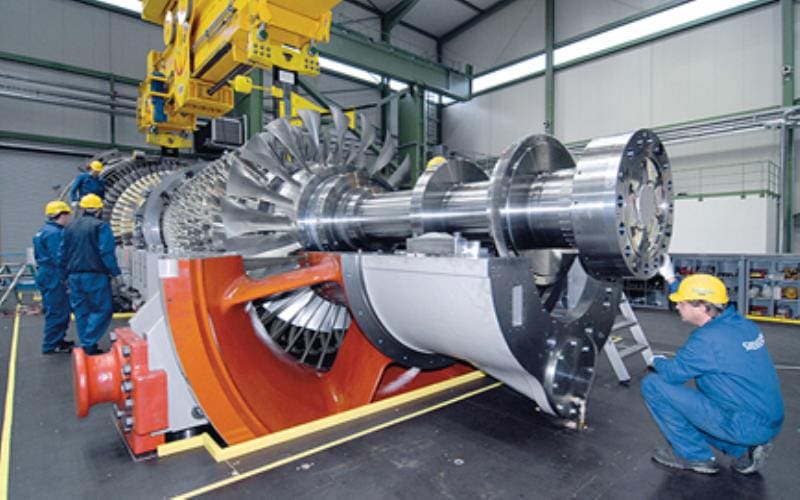
Gas turbines are a type of power generation technology that uses combustion of natural gas, diesel, or other fuels to produce electricity. They work by compressing air and mixing it with fuel, which is then ignited in a combustion chamber. The resulting hot gases are then used to drive a turbine, which generates electricity.
How do Gas Turbines Meet Peak Electricity Demands?
Gas turbines are designed to be responsive to the changing electricity demand. They can start up quickly, usually within a few minutes, and can ramp up their power output to meet the demand. This makes gas turbines an ideal technology for meeting peak electricity demands, which usually occur during the hottest days of summer or the coldest days of winter when people use more air conditioning or heating.
Advantages of Gas Turbine Power Generation
One of the primary advantages of gas turbine power generation is its flexibility. Gas turbines can be used in a variety of applications, including peaking, intermediate, and base load power generation. They can also be used in combined cycle power plants, which provide even greater efficiency and cost savings.
Another advantage of gas turbines is their reliability. Gas turbines have a high availability rate, which means they are available to generate electricity when needed. They also require less maintenance than other types of power generation technologies, which means they have lower operating costs.
Environmental Considerations
Gas turbine power generation is a relatively clean technology compared to other types of fossil fuel-based power generation. Gas turbines emit lower levels of greenhouse gases, such as carbon dioxide, than coal-fired power plants. They also emit lower levels of other pollutants, such as sulfur dioxide and nitrogen oxides.
However, gas turbines still emit pollutants, and their use can contribute to air pollution. Therefore, it is essential to use gas turbines in a way that minimizes their environmental impact. This can be achieved through the use of emission control technologies and by using natural gas as a fuel, which is a cleaner-burning fuel compared to diesel or heavy fuel oil.
Future of Gas Turbine Power Generation
The future of gas turbine power generation looks bright. Gas turbines are expected to continue to play a vital role in meeting peak electricity demands, particularly in countries with growing energy demand. The use of gas turbines in combined cycle power plants is also expected to increase, providing even greater efficiency and cost savings.
In addition, the development of new technologies, such as hydrogen gas turbines and carbon capture and storage, could further improve the environmental performance of gas turbine power generation. These technologies could help reduce greenhouse gas emissions and contribute to a more sustainable energy future.
Conclusion
In conclusion, gas turbine power generation plays a crucial role in meeting peak electricity demands. Its flexibility, reliability, and relatively low environmental impact make it an ideal technology for meeting the changing electricity demand. With the development of new technologies and the increasing demand for energy, gas turbines are expected to continue to play a vital role in the electricity industry for many years to come.
