

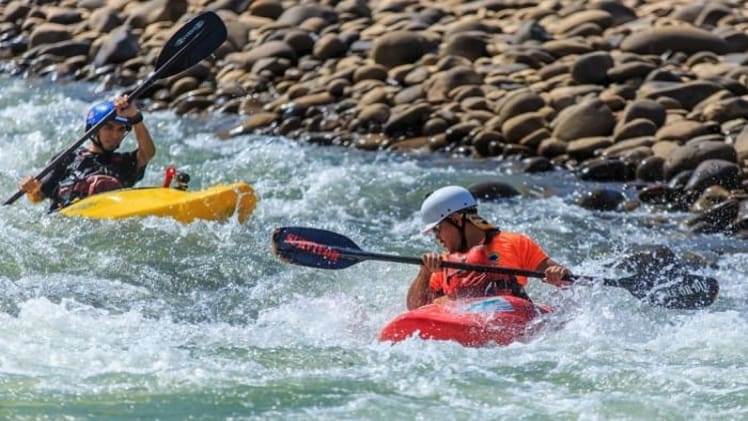
Introduction:
Paddling in small boats, whether for recreational purposes or competitive sports, can be an enjoyable and exhilarating experience. However, it is essential to understand and acknowledge the potential risks associated with this activity. One significant concern is the likelihood of drowning for paddlers in small boats. In this article, we explore the factors that influence this risk and provide insights into safety measures that can mitigate potential dangers.
Understanding the Risks:
- Water Conditions: The likelihood of drowning while paddling in small boats is heavily influenced by the prevailing water conditions. Factors such as strong currents, high waves, sudden changes in weather, or unpredictable water flow increase the risk of capsizing or losing control of the boat. Paddlers must assess water conditions and exercise caution, especially in unfamiliar or challenging environments.
- Experience and Skill Level: The competence and experience of the paddler play a crucial role in mitigating the risk of drowning. Novice paddlers or those without adequate training may be more prone to accidents and lack the necessary skills to handle emergencies effectively. Developing proficiency through proper training, guidance, and practice is vital for minimizing the likelihood of drowning.
- Safety Equipment and Precautions: The use of appropriate safety equipment and adherence to safety precautions significantly contribute to reducing the risk of drowning. Wearing personal flotation devices (PFDs) or life jackets is essential, as they provide buoyancy and increase the chances of survival in case of an accident. Additionally, carrying safety gear like whistles, signaling devices, and communication devices can aid in calling for help or alerting others to an emergency situation.
- Environmental Awareness: Paddlers must maintain situational awareness and be mindful of their surroundings. Recognizing potential hazards, such as submerged objects, strong currents, or low-head dams, can help prevent accidents and minimize the likelihood of capsizing. Being aware of weather conditions, tide changes, and water temperature can also contribute to informed decision-making and overall safety.
- Responsiveness to Emergencies: In the event of a capsize or other emergencies, the ability to remain calm, react quickly, and employ appropriate rescue techniques is crucial. Paddlers should be familiar with self-rescue methods, including re-entering a capsized boat or performing a T-rescue with a partner. Furthermore, knowledge of basic first aid and CPR can be invaluable in saving lives and minimizing the risk of drowning.
Conclusion:
While paddling in small boats offers a rewarding experience, it is essential to acknowledge and address the inherent risks associated with water activities. The likelihood of drowning for paddlers in small boats is influenced by various factors, including water conditions, experience level, adherence to safety measures, and environmental awareness. By assessing these risks and implementing appropriate safety precautions, such as wearing PFDs, maintaining situational awareness, and acquiring necessary skills through training, paddlers can enjoy their activities with reduced chances of drowning. Ultimately, prioritizing safety, preparedness, and responsible behavior on the water will contribute to a more enjoyable and secure paddling experience.
